Imagine stepping out your front door and joining a tree‑lined path that leads to coffee, concerts, and parks. If you want a lifestyle where errands and evenings out are a short stroll or bike ride away, Woodstock’s Greenprints Trail and downtown core deliver exactly that. In this guide, you’ll learn where walkable homes cluster, what living near the trail feels like day to day, and how to plan your budget with practical questions to ask before you buy. Let’s dive in.
Greenprints Trail at a glance
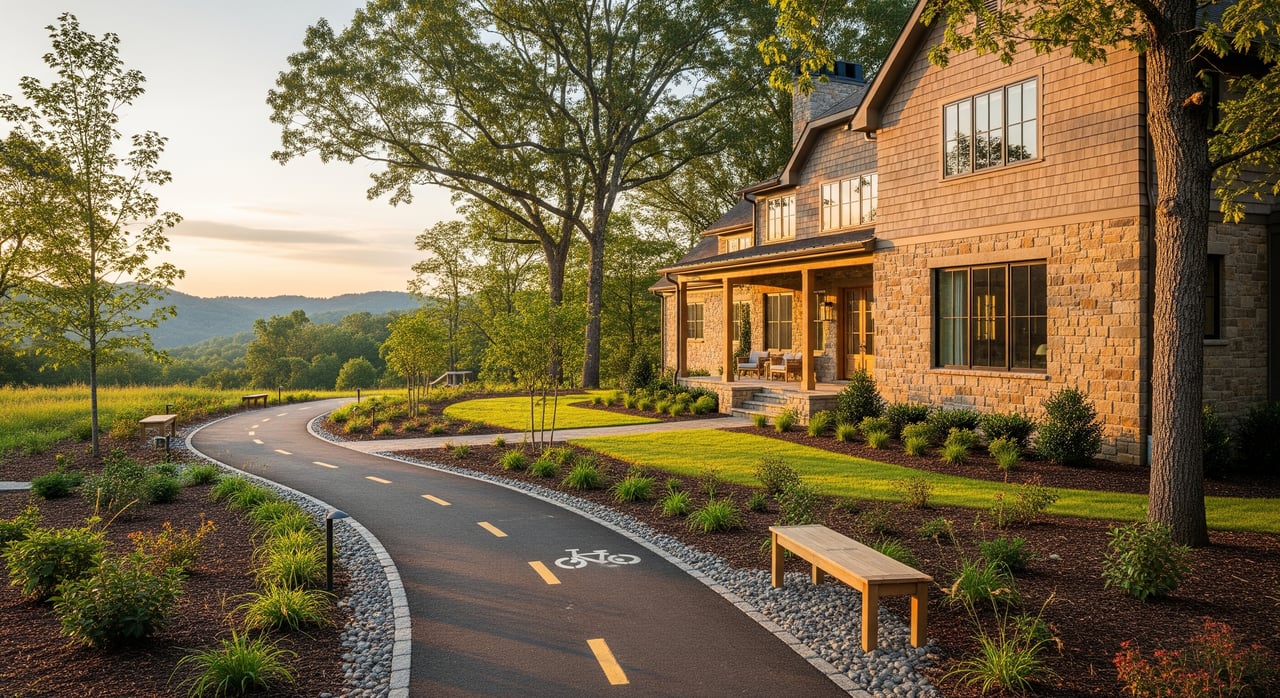
The Greenprints Trail is a city-supported, multi‑use path network that links Downtown Woodstock with nearby neighborhoods, parks, and local destinations. It is designed to improve non‑motorized access across the city, which is a big reason buyers look for homes within walking or biking distance of trailheads and downtown plazas.
For the latest trail map, mileage, and any expansion updates, check the City of Woodstock’s Parks and Recreation and Planning pages. You can also review the Downtown Development Authority’s information to see how the trail connects with downtown streetscapes, events, and public spaces. These official sources offer the most current details about access points, crossings, and connections to parks.
Where walkable living clusters
Walkable living in Woodstock centers on the downtown core and the residential blocks closest to Greenprints access points. You’ll find a mix of condos, townhomes, small‑lot single‑family homes, and mixed‑use buildings that place everyday needs within a short stroll.
Downtown Woodstock core
Downtown functions as the heart of walkable life. Sidewalks, crosswalks, and seating make it easy to navigate to restaurants, retail, and community events. The Downtown Development Authority and Main Street program host recurring activities like seasonal festivals, farmers markets, and concerts, which add energy and draw. If you want the fewest car trips, living in or directly adjacent to this core is your best bet.
Housing here includes condos above or near retail, modern townhome clusters, and occasional small‑lot single‑family homes. Some buildings offer garage parking or reserved spaces, while older blocks may rely more on on‑street options and public parking facilities.
Woodstock Village and adjacent streets
The Woodstock Village core and nearby residential streets sit just beyond the main downtown blocks. These areas often feel quiet on weekdays yet still keep you close to the trail network and downtown amenities. Expect a blend of townhomes and infill single‑family homes, with sidewalks or short street connections to reach the trail and dining.
Near trailheads and parks
Homes closest to Greenprints trailheads see strong demand from runners, cyclists, and anyone who values daily outdoor access. If you prefer a little buffer from weekend festivities, these edges can offer the best of both worlds: quick trail access and a short, comfortable walk into downtown.
Home types near the trail
Different product types give you options for space, maintenance, and budget. Here is what to expect around downtown and Greenprints access.
Condominiums
Condos typically run 1 to 2 bedrooms with efficient floor plans, low exterior upkeep, and a locked‑and‑leave lifestyle. Monthly HOA dues usually cover exterior maintenance and building insurance, and may include reserves, trash, and common‑area care. Ask about elevator access, bike storage, and parking assignments if convenience is a priority.
Townhomes
Townhomes are popular with buyers who want more square footage while staying walkable. Most include 2 to 3 levels, attached garages or designated parking, and small patios or decks. HOAs generally handle exterior upkeep for shared elements and landscaping, which reduces weekend maintenance.
Small‑lot single‑family
You will see both older bungalows and newer infill on compact lots near the core. These homes trade large yards for proximity and character. They appeal to buyers who want a private entrance and fee‑simple ownership while keeping sidewalks, parks, and the trail close by.
Mixed‑use and live‑work
Some buildings combine first‑floor retail with upper‑floor residences. These locations put you closest to the action and work well for buyers who prioritize convenience and atmosphere. Review building rules carefully if you plan to operate a home‑based business.
Who walkable Woodstock fits best
Walkable living near the Greenprints Trail attracts a range of buyers:
- Empty‑nesters and downsizers who want low‑maintenance homes near dining, shopping, and community events.
- Young professionals and couples who value short walks to restaurants and an active evening scene.
- Active lifestyle buyers who run, ride, or walk daily and want instant trail access.
- Investors and second‑home buyers who see demand for units close to pedestrian amenities and event venues.
Lifestyle benefits you’ll notice
Living near downtown and the Greenprints Trail changes your daily rhythm in small but meaningful ways.
- Everyday errands feel easier. Coffee shops, small groceries, and services are close at hand.
- Recreation is built into your routine. A quick walk or ride on the trail can replace a gym trip on good‑weather days.
- Community is visible. Farmers markets, concerts, and main street festivals create a steady calendar of things to do.
- Fewer car trips. If you live in or just off the core, you may find you rely less on a second car.
Practical tradeoffs to plan for
Walkable locations come with realities to weigh as you compare options.
- HOA rules and fees. Condos and many townhomes carry monthly dues. Clarify what is covered, how reserves are funded, and any planned assessments.
- Parking. Some buildings include garages or assigned spaces. Older blocks may rely on on‑street or public parking, which can fill during events.
- Noise and foot traffic. Units facing busy streets or event spaces may experience more activity on evenings and weekends.
- Outdoor space. Condos and townhomes usually offer smaller private areas. Nearby parks and the trail often offset this tradeoff.
- Stairs and access. Multi‑level homes and upper‑floor condos require attention to mobility, elevator access, and daily routines like grocery runs.
Budget and monthly cost planner
You can build a clear monthly picture with a few key inputs. Use this framework as you evaluate listings near downtown and the Greenprints Trail.
- Purchase price and down payment
- Get a preapproval from your lender to set a realistic target price and monthly budget.
- Ask for estimate scenarios at different down payments to see how your cash on hand affects the payment.
- Property taxes
- Pull the most recent tax bill or assessor record for the parcel through the Cherokee County Tax Assessor. This gives a grounded estimate of annual taxes for your cost breakdown.
- HOA dues and what they cover
- Request the HOA’s fee sheet or budget summary. Understand what is included: exterior maintenance, master building insurance for condos, reserves, amenities, trash, and landscaping.
- Ask about current reserve balance and any scheduled or recently approved assessments.
- Insurance type
- Condos typically require an HO‑6 policy for interior contents and improvements, since a master policy covers the building exterior.
- Townhomes and single‑family homes usually require an HO‑3 policy that covers the structure and liability.
- Utilities and extras
- Factor in electricity, water, internet, and any parking or storage fees if applicable.
- Sample monthly worksheet
- Principal and interest: based on your preapproval terms.
- Property taxes: annual amount divided by 12.
- Homeowner’s insurance: annual premium divided by 12.
- HOA dues: monthly amount from the association.
- Total housing cost: add the four items above for a quick monthly snapshot.
Tip: If you are comparing a condo with higher HOA dues to a townhome with lower dues, look line by line at what is included. A higher condo fee can still net out favorably if it covers exterior insurance and more maintenance.
On‑site checks during home tours
A short checklist helps you verify walkability and comfort before you write an offer.
- Time your walk. Test the route from the property to the nearest trail access and to your favorite downtown spots. Note lighting and crossings.
- Check sidewalks and terrain. Look for gaps, steep grades, and safe crossing points.
- Confirm parking. Count assigned spaces, guest spots, permit rules, and plans for event nights.
- Listen for noise. Visit during an evening or weekend event to gauge activity levels.
- Review floodplain info. If a property is near a creek or low area, check FEMA flood maps and local floodplain resources.
- Evaluate access. For condos, confirm elevator locations, stairwells, package delivery, and bicycle storage.
Planning and rules to verify
Before you finalize a purchase, review a few city and community items.
- Trail expansions and downtown projects. Check City of Woodstock planning documents and public works updates for timelines that could enhance or temporarily affect access.
- Zoning and overlays. If you plan renovations or signage for a live‑work unit, verify applicable zoning and any downtown or historic district overlays.
- Short‑term rental rules. If you are considering investment or part‑time use, confirm applicable city and county regulations for rentals.
Commute and car‑light living
Even if you still drive to work, living near the Greenprints Trail can reduce local car trips. Test peak‑hour commute times with mapping tools so you understand daily travel. Then layer in your walkable routines: morning coffee, workouts on the trail, and dinner plans that do not require searching for parking.
Your next steps
If walkable living near Downtown Woodstock and the Greenprints Trail feels like a fit, your next move is straightforward:
- Outline your top three must‑haves and two dealbreakers.
- Get preapproved and set a comfortable monthly target.
- Tour a mix of condos, townhomes, and small‑lot homes to compare layouts and HOA coverage.
- Verify on‑site realities with the checklist above.
When you are ready, we can help you pinpoint the right blocks, pull current MLS data for listings and recent sales, gather HOA fee sheets, and coordinate a walking tour so you experience the routes for yourself. For a friendly, data‑driven plan tailored to you, connect with Joe Weathers and The Momentum Team.
FAQs
What is the Greenprints Trail and how does it connect to downtown?
- It is a multi‑use path system supported by the City of Woodstock that links neighborhoods, parks, and Downtown Woodstock, improving non‑motorized access to local amenities.
Which home types are closest to the Greenprints Trail in Woodstock?
- Near the downtown core you will commonly find condos, townhomes, mixed‑use buildings with upper‑floor residences, and small‑lot single‑family homes within a short walk or ride of trail access.
How should I budget for HOA dues near Downtown Woodstock?
- Request the current HOA fee sheet and budget for any building you are considering, and include the monthly amount in your total housing cost alongside mortgage, taxes, and insurance.
How is parking usually handled for condos and townhomes by the trail?
- Many communities include garages or assigned spaces, while some older blocks rely on on‑street and public parking; always confirm guest parking and event‑night plans.
Are there special rules for short‑term rentals near Downtown Woodstock?
- Short‑term rental rules depend on city and county regulations and the HOA’s governing documents, so verify both before you buy if rentals are part of your strategy.
How can I check flood risk for a property close to the trail?
- Review FEMA flood maps and local floodplain resources, and consult your insurer and lender to determine whether flood insurance is recommended or required.
Do walkable homes near Downtown Woodstock see strong resale demand?
- Properties close to the core and Greenprints access often draw steady interest because of convenience and amenities, but confirm current absorption and days on market with recent MLS data.