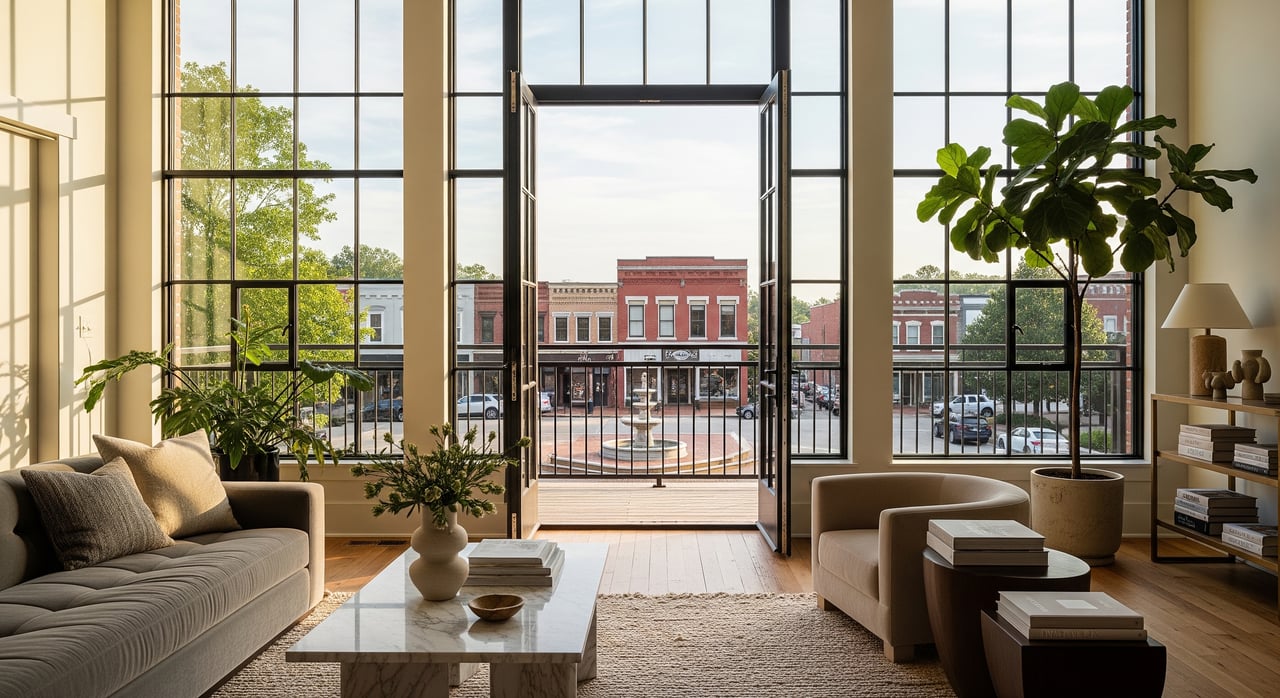
You can start most mornings downtown with a quick walk to coffee, the sound of shop doors opening, and the smell of breakfast from a nearby café. If you want a lifestyle that lets you step out your door for errands, dinner, and community events, downtown Woodstock delivers. In this guide, you’ll learn what daily life feels like, how housing compares with nearby suburban neighborhoods, what to expect for trails, parking, and commutes, and the practical tradeoffs to weigh. Let’s dive in.
Where downtown Woodstock sits
Downtown Woodstock is in Cherokee County along the I-575 and GA-92 corridor, north of Atlanta. The historic core centers on Main Street and nearby blocks, with brick sidewalks, storefronts, and a compact, walkable scale. You feel the small-town charm, but you also get an active district that stays lively into the evening.
Daily life and local vibe
Walkable core
Living in the core means you can handle many daily needs on foot. You’ll find cafés, casual and sit-down restaurants, boutiques, salons, and a few professional services within a short stroll. The area is compact, so you can run quick errands, meet friends, and be home in minutes.
Food, coffee, and evening options
The dining scene mixes local restaurants with a few regional names. Daytime is about coffee, brunch, and bakeries. Evenings bring dinner, craft beverages, and occasional live music. It is livelier here than in quieter subdivisions, which many people view as part of the charm.
Family-friendly by day, active at night
Weekdays feel like a friendly town square with strollers, pets, and lunch crowds. Weekends and evenings add more energy, especially when pop-up performances or events are on the calendar. If you enjoy being near the action, you will appreciate this rhythm.
Housing options and tradeoffs
What you’ll find downtown
Housing in and near the core includes:
- Low to mid-rise condos and lofts, often newer infill or adaptive reuse.
- Townhomes and stacked townhomes designed for compact living.
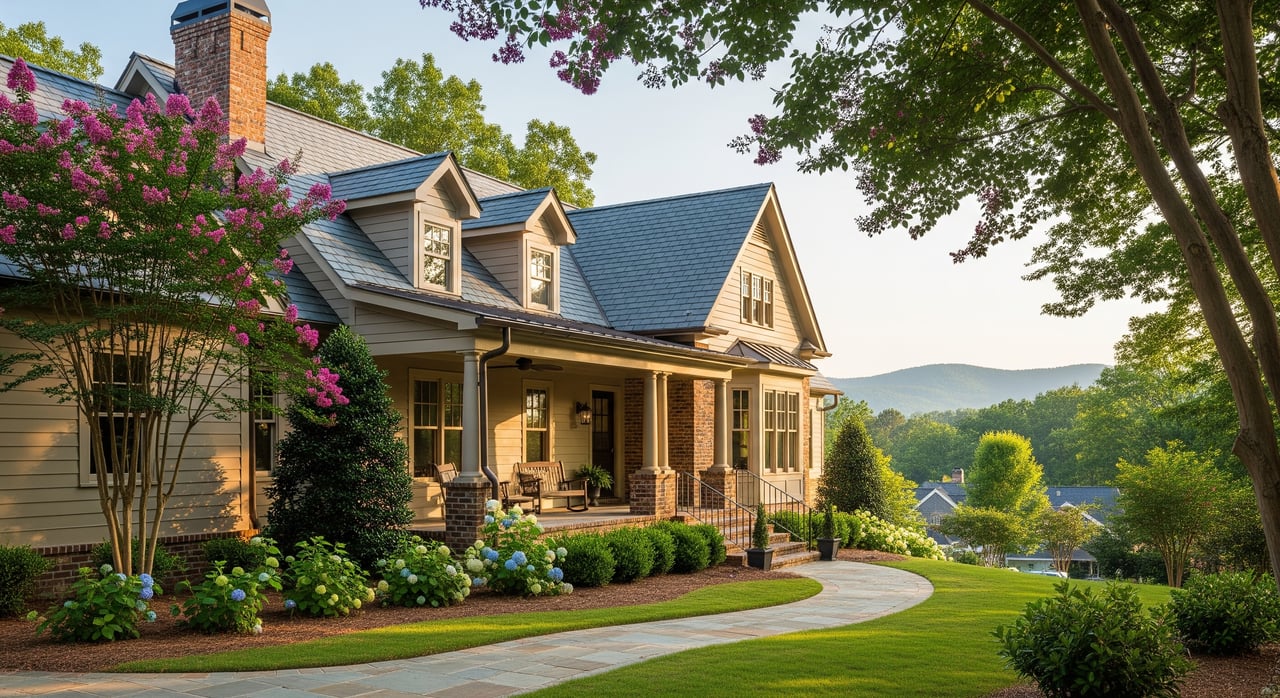
- Older bungalows, cottages, and small historic homes within a short walk of Main Street.
- Mixed-use buildings with retail at street level and residences above.
These homes usually have smaller indoor and outdoor spaces, and they often emphasize low-maintenance living. Many buildings include homeowners associations that handle exterior maintenance and shared areas.
Nearby suburban neighborhoods
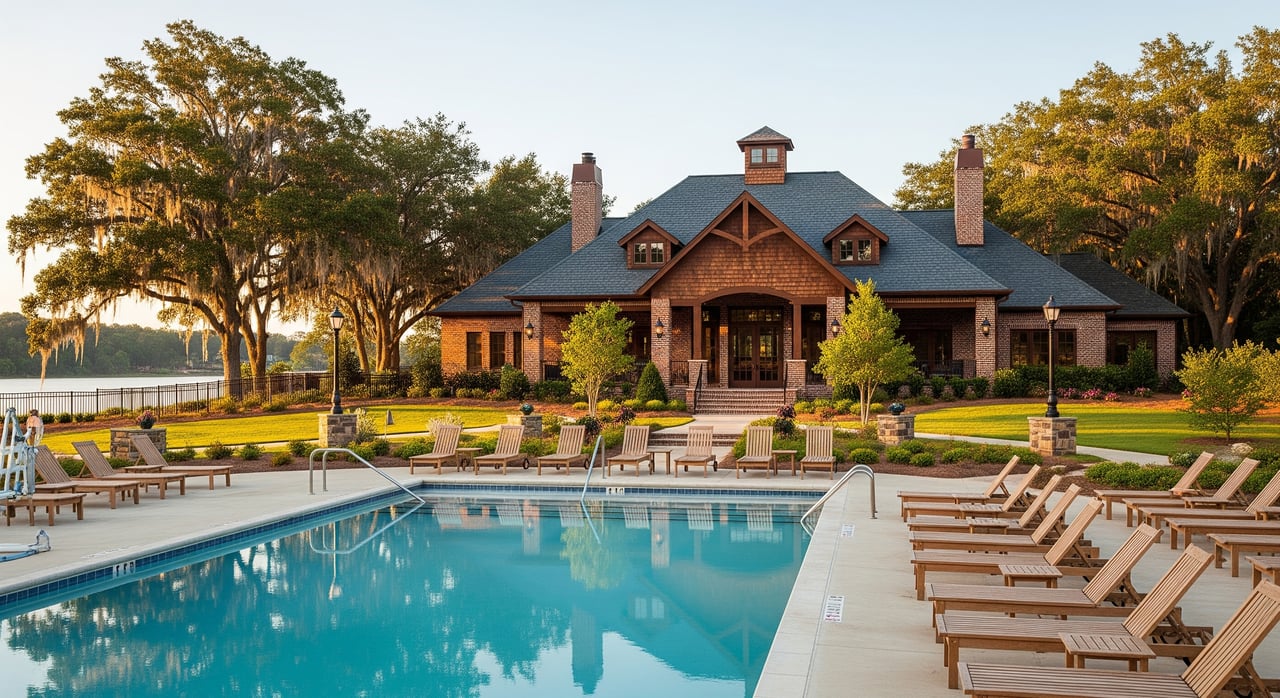
Outside the core, you will see more single-family homes with larger lots and more interior square footage. Many neighborhoods include two or three-car garages, private yards, and community amenities like pools or playgrounds. Streets tend to be quieter, and most errands require a car.
Lifestyle comparison
- Downtown benefits: walkability, short trips, social amenities, and a lock-and-leave feel.
- Suburban benefits: more space inside and out, garages and yards, and a calmer residential setting.
Think about how you spend your day. If your evenings revolve around dinner out, local events, and quick errands on foot, downtown can be a strong fit. If you need a large home office, a yard, and multiple parking spaces, a nearby subdivision likely matches better.
Trails, parks, and weekend fun
The Greenprints Trail system
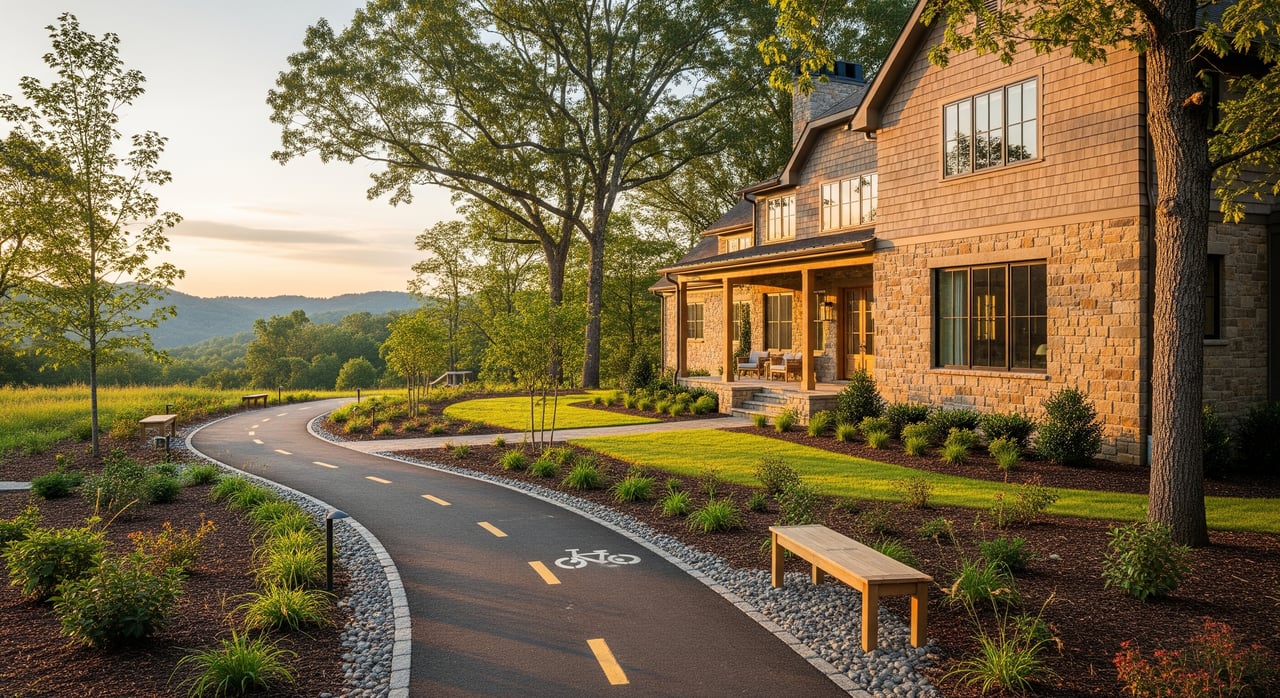
One of the big lifestyle perks is access to Woodstock’s Greenprints trails. These paths connect downtown to parks and greenways, and they support walking, running, and biking. It is easy to sneak in a jog or spin after work, then grab dinner nearby.
Parks and regional access
Beyond local parks, you are a short drive from larger outdoor spaces in the region for hiking or paddling. The convenience of trails next to a restaurant district makes it simple to build active routines into your week.
Getting around and parking
Driving and highway access
Most residents still drive for commuting and larger errands. Downtown Woodstock sits along I-575 and GA-92, which connect you to employment centers around Metro Atlanta. Drive times vary with traffic, so it helps to test your route during peak hours.
Public transit reality
Transit options are limited compared with in-town Atlanta neighborhoods. Some regional or express services may operate in the broader area, but most downtown residents rely on a car for commuting and cross-county trips. For local errands and social outings, walking and biking work well.
Parking tips
Parking is a mix of on-street spaces, municipal lots, and private parking tied to specific buildings. Policies can include time limits or permits. If you are considering a condo or townhome, confirm your on-site spaces, guest parking options, and where you will park during major events.
Practical buyer checklist
Schools and zoning
Downtown addresses are served by the Cherokee County School District. Assignments vary by address, so verify school zones directly with the district. For a thorough picture, review district resources and talk through your needs with your agent.
HOAs and building rules
Many condos and townhomes have monthly fees that cover exterior maintenance, amenities, and sometimes utilities. Review HOA budgets, rules on leasing or short-term rentals, and any planned capital projects before you make an offer.
Events, noise, and busy nights
Living near the town square brings festivals, concert series, and community gatherings. These events add energy and convenience, but they can also increase noise and parking demand. If you prefer quieter nights, consider homes a few blocks off the main activity.
Accessibility and maintenance
Condos and some townhomes can suit single-level living preferences. Historic cottages may have stairs, older systems, and unique maintenance needs. Plan for inspections and budget for updates, especially on older properties.
Taxes, insurance, and utilities
Property taxes and insurance vary by property type and location. Check city and county records for current millage rates, and get quotes that reflect the building type, age, and proximity to services. Confirm whether your home is on city water and sewer, and review utility providers for trash and recycling.
Who thrives downtown
Choose downtown if you want
- A village-style lifestyle with shops, dining, and events within a short walk.
- Low-maintenance living with fewer yard chores and more free time.
- Easy access to trails for daily exercise.
- A home that feels connected to the community’s cultural life.
Choose nearby suburbs if you want
- Larger interior space for home offices, hobbies, or multi-generational living.
- A private yard for pets, gardening, or play.
- Quieter streets and more private parking.
- Neighborhood amenities like pools and playgrounds.
How to zero in on the right spot
- Define your must-haves. Rank walkability, parking, office space, and outdoor space.
- Test your commute during rush hour. Try your route in both directions.
- Time your lifestyle. Walk to dinner, sample a weekend event, and try the trails.
- Read HOA documents. Understand fees, reserves, and any special assessments.
- Verify school zones and property taxes for the exact address.
- Ask about parking and guest passes. Confirm spaces and rules in writing.
If you want a practical, low-stress path to a decision, work with a local guide who knows both the downtown core and the surrounding neighborhoods.
Ready to tour or compare address-specific details like HOA rules, school zoning, and parking? Reach out to Joe Weathers for a clear plan and steady guidance from contract to closing.
FAQs
How walkable is downtown Woodstock for daily errands?
- The core around Main Street is compact and pedestrian-friendly, with cafés, restaurants, and shops close together, so many daily needs are within a short walk.
What housing types are most common in downtown Woodstock?
- You will see condos, lofts, and townhomes in the core, plus small historic cottages nearby, often with lower-maintenance living than larger suburban homes.
How do suburban Woodstock neighborhoods compare with the core?
- Suburban areas offer larger single-family homes, bigger lots, garages, and community amenities, but you will rely more on a car for errands and commuting.
Will I need a car if I live in downtown Woodstock?
- Most residents keep a car for commuting and regional trips, while walking and biking work well for local errands, dining, and events in the core.
What should I know about parking in downtown Woodstock?
- Expect a mix of on-street spaces, municipal lots, and private or assigned parking, with time limits or permits in some areas, especially during events.
How are schools for downtown Woodstock addresses?
- Schools are part of the Cherokee County School District, and assignments vary by address, so verify zones directly with the district before you buy.
Are there noise or crowd concerns during events downtown?
- Popular festivals and concerts can increase noise and parking demand; homes a few blocks off Main Street may experience less of that activity.